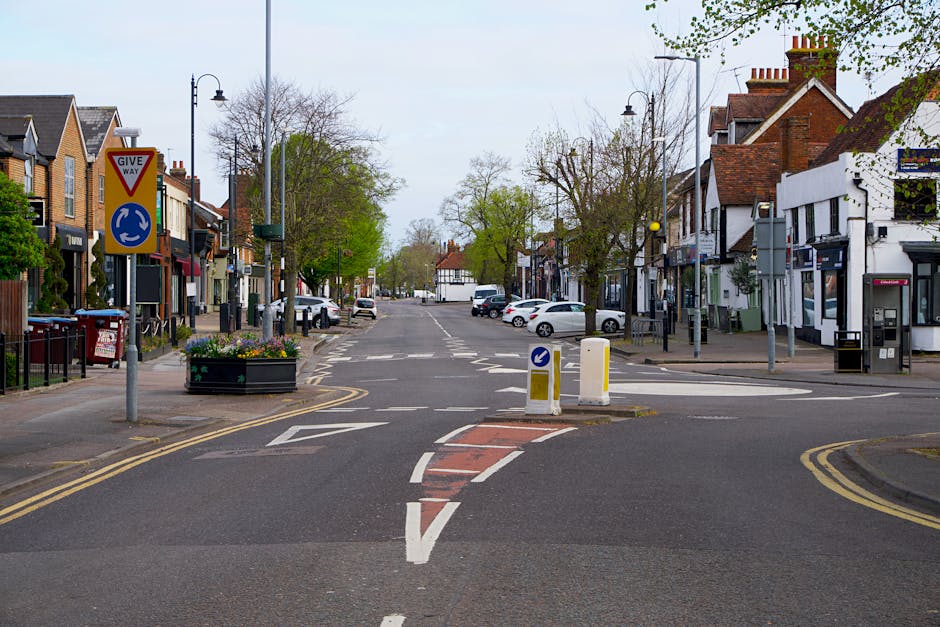
Removals access for Grange Road Pinner flats: a practical guide to moving in and out smoothly
Moving a flat is never just about boxes and a van. On Grange Road in Pinner, access can make or break the day. Tight stairwells, parking pressure, shared entrances, awkward timings, and the usual London "just one more delivery van" situation can all slow things down. That is why Removals access for Grange Road Pinner flats deserves proper planning before anyone starts lifting wardrobes or trying to angle a sofa around a corner that was clearly designed by someone with a grudge.
This guide walks through what access planning actually means, why it matters, and how to manage it without stress. You will find practical steps, common mistakes, a useful comparison table, and a checklist you can use before move day. If you are comparing moving support, it may also help to look at flat removals, local removals, and man and van services as part of the wider decision.
Practical takeaway: the better the access plan, the faster and safer the move. That usually means fewer delays, less damage risk, and a calmer start to your new chapter.
Why Removals access for Grange Road Pinner flats Matters
Access is the invisible part of a move. Nobody gets excited about it, but it decides whether the day feels efficient or chaotic. In a flat move, access means everything from how close the vehicle can park to whether there is enough room to turn a mattress, carry a fridge, or get a sofa down a stairwell without scraping paintwork. On Grange Road, that matters even more because flat layouts, communal entrances, and street parking can vary from one property to the next.
To be fair, people often assume the van will simply stop outside and everything will flow from there. That is rarely how it goes. The actual route from flat to vehicle may involve steps, narrow hallways, controlled entry doors, or shared access points that need to stay clear for neighbours. If you do not map those details first, the day can become a series of tiny hold-ups. One box at a time. One awkward corner at a time.
Access planning also affects safety. A rushed move increases the chance of trips, dropped items, damaged bannisters, and strained backs. It can also create problems with neighbours if parking is blocked or communal areas are left cluttered. In short, good access planning is not a luxury. It is the thing that keeps the rest of the move sensible.
Expert view: the most successful flat removals are usually not the fastest ones on paper. They are the ones where the route, timing, and vehicle position were thought through before the first box was carried.
How Removals access for Grange Road Pinner flats Works
At its simplest, removals access planning is the process of checking how people, furniture, and vehicles will move between the flat and the street. For a Grange Road flat, that means identifying the full path: front door, hallway, stairs or lift, entrance gate if there is one, outside kerb space, and the exact loading point.
Most moves work best when the access plan is built around real measurements rather than guesswork. That can include the height and width of doors, the size of the stairwell landing, the turning space at corners, and whether bulky items will need to be taken apart before move day. Even if you are only moving a few rooms, those measurements can save a lot of time. And, frankly, a lot of swearing.
The practical side also includes timing. If parking is easier early in the morning, that may be the best loading window. If the building has a lift booking system, you may need to reserve it. If neighbours share the same access route, it is wise to avoid peak times when possible. Those are small choices, but they add up quickly.
In many cases, a move can be supported by a service like removals or a more compact option such as small removals if the property and load are modest. If you need flexibility for furniture or items that cannot be moved straight away, removals and storage can be a useful combination.
What the access check usually includes
- Street parking availability close to the building
- Height restrictions, access gates, or bollards
- Steps, steep entrances, and uneven surfaces
- Stairwidth, turns, and landings
- Lift size and booking rules, if relevant
- Whether large furniture must be dismantled
- Loading distance from the flat to the van
- Any building management requirements
Key Benefits and Practical Advantages
Once you plan access properly, the benefits are easy to see on move day. The most obvious one is speed. When the van parks in the right place and the route is clear, the job moves along with less stop-start friction. That can reduce the time the crew spends walking back and forth, which is especially helpful if you are moving from an upper-floor flat.
Another benefit is damage reduction. If a tall wardrobe needs to be twisted around a tight stair turn, you want to know that before the day, not after the first scratch appears. The same goes for walls, skirting boards, doors, and communal corridors. A careful access plan protects both your belongings and the building.
There is also a mental benefit, which people underestimate. When the parking plan is sorted and the route is clear, you feel less rushed. You are not standing by the window wondering whether the van has been ticketed. You are not chasing the neighbour's car out of the loading space. You can breathe a bit.
Here are the practical advantages in plain terms:
- Fewer delays: less waiting for parking or lift access.
- Less heavy lifting: a smarter route can reduce carrying distance.
- Lower risk of damage: easier manoeuvring means fewer knocks.
- Better coordination: everyone knows where to go and when.
- More accurate quotes: access details help a removals team estimate time and resources more reliably.
If your move also involves temporary overflow items, you may want to compare self storage with short term storage. That can take pressure off the flat itself during a phased move.
Who This Is For and When It Makes Sense
This type of planning is relevant for anyone moving into or out of a flat on Grange Road, but it is especially useful if any of the following apply:
- You are moving from an upper floor
- Your building has limited or shared parking
- You own bulky furniture or awkward items
- The stairwell is narrow or steep
- You need to work around neighbours, concierge rules, or building access times
- You are moving at a busy time of day or week
- You want the move completed in one visit rather than several trips
It also makes sense for tenants, landlords, first-time buyers, and people downsizing. Let's face it, flats tend to be deceptively full. A single bedroom can hold more than you remember once the drawers are opened and the storage baskets come out of hiding.
If your move is part of a larger home transition, services such as house removals may be worth considering, especially where items are moving between a flat and a house or into temporary storage. For businesses or professionals relocating equipment, office removals and business storage can be relevant too.
Step-by-Step Guidance
A good access plan does not need to be complicated. It just needs to be real. Here is a clear way to approach it.
- Walk the route from the flat to the street. Check doors, hallways, staircases, corners, and any shared spaces.
- Measure the awkward items. Sofas, beds, wardrobes, mirrors, and appliances matter most.
- Check parking and loading options. Note whether the van can stop close by or whether a longer carry is needed.
- Confirm building rules. Ask about lift use, access codes, moving times, or any restrictions.
- Decide what should be dismantled. Some furniture is far easier to move in parts. Sometimes it is obvious. Sometimes not.
- Plan packing order. Boxes should be ready before larger items block the path.
- Tell everyone involved. Movers, helpers, and building management should all know the plan.
- Prepare a backup option. Weather, parking issues, or a blocked entrance can happen. A fallback plan helps.
A simple example: if a sofa will not turn through a stair landing, you may need to remove feet, unbolt sections, or use an alternative route. That is the sort of detail you want to discover the day before, not while half the street is watching from behind curtains. Which, yes, they will.
For items that need protection while you sort access or timing, you could combine moving with furniture storage or broader secure storage. That can be especially useful if keys, completion timing, or access windows do not line up neatly.
Expert Tips for Better Results
Here are the small habits that usually make the biggest difference.
- Take photos of the access route. A quick phone picture of the hallway, entrance, or parking space can help a removals team understand the setup faster.
- Label the tricky items early. If something needs disassembly or extra care, mark it clearly.
- Protect the route, not just the furniture. Doorframes and floor coverings matter. It is easy to forget that on a busy morning.
- Keep the loading area clear. Shoes, bins, and recycling bags seem harmless until someone trips over them.
- Use the right service size. A smaller flat move does not always need a large vehicle. Sometimes a compact solution works better.
One thing we often see is people underestimating how long the carrying distance is from flat to vehicle. Even ten or fifteen extra metres can make a noticeable difference over a full load. That is especially true if you are moving several heavy boxes and a couple of awkward pieces of furniture.
If you want extra hands with wrapping and boxing, packing services can save time and reduce damage. A well-packed box is not glamorous, but it is worth its weight in peace of mind.
Common Mistakes to Avoid
Most access problems are avoidable. The trouble is they look minor until the moving van arrives.
- Assuming parking will be fine. This is probably the most common mistake. "There's usually space" is not a plan.
- Ignoring stairwells and corners. A sofa may fit in theory and still fail in practice because of the turn.
- Leaving packing to the last minute. That slows the whole operation and clutters the route.
- Forgetting lift restrictions. Some lifts are too small, too slow, or not available when you need them.
- Not warning the building manager. If there are rules, it is better to know them early.
- Overloading one vehicle. It can sound efficient, but it often creates handling and access issues.
There is also a quieter mistake: not checking what can stay behind. Old shelves, broken chairs, and unneeded boxes eat space fast. If you are clearing a flat, it can be useful to pair removals with household storage or, for more structured items, document storage if you need to keep papers safe and organised.
Tools, Resources and Recommendations
You do not need a toolkit like a tradesperson to manage removals access well, but a few basic tools make life easier:
- Measuring tape: for doorways, furniture widths, and stair turns
- Phone camera: for recording parking bays, access routes, and any tight spots
- Marker pens and labels: to identify fragile or awkward items
- Furniture blankets and wrap: to protect surfaces during the carry
- Basic toolkit: for removing legs, shelves, or handles where needed
- Gloves and sturdy shoes: simple, but genuinely useful
In terms of service options, the right choice depends on the size and complexity of the move. A small flat with straightforward access may suit man and van. Larger or more involved moves may need a fuller removals service. If you are moving in stages or need items held temporarily, long term storage can help with longer gaps between move-out and move-in dates.
If you are comparing prices, take a careful look at what is included. A low headline figure can be less useful if access is awkward and extra labour or waiting time appears later. The best quote is usually the one that reflects the reality of the building, not the fantasy version where everything is conveniently on the ground floor.
For more background on pricing and security arrangements, the pages for pricing and quotes and payment and security are useful reference points when you are comparing options. If you are assessing a company's standards more broadly, insurance and safety and health and safety policy are worth reading as well.
Law, Compliance, Standards, or Best Practice
For a flat move in Pinner, the main compliance issues usually relate to practical building rules, safe lifting, parking considerations, and general duty of care. The exact requirements can vary by building and local arrangements, so it is best not to assume. If the property has a management company, estate rules, or timed access windows, follow them. That is not bureaucracy for the sake of it; it usually helps everyone avoid frustration.
From a safety perspective, good practice usually includes:
- Keeping shared access routes clear
- Avoiding damage to walls, lifts, and flooring
- Using suitable lifting techniques and enough people for heavy items
- Checking whether certain items need disassembly
- Making sure the vehicle is parked legally and sensibly
If you are moving items with sentimental or financial value, insurance matters too. Coverage and responsibility should be clear before loading begins. That is why it helps to understand the terms of service and the provider's approach to safety, handling, and claims procedures. Reading the terms and conditions before the move may not be thrilling, admittedly, but it can prevent headaches later.
For people who care about sustainability, it can also be sensible to think about what is moved, stored, reused, or recycled. If you are clearing out unwanted furniture or household items, the company's recycling and sustainability approach may be relevant to your decision-making.
Options, Methods, or Comparison Table
There is no single best way to handle access on Grange Road. The right method depends on the size of the flat, the load, and how awkward the building is. Here is a simple comparison to help you think it through.
| Method | Best for | Strengths | Possible drawbacks |
|---|---|---|---|
| Man and van | Smaller flat moves, light-to-moderate loads | Flexible, often efficient, good for short carries | May be less suitable for very large or complex moves |
| Full removals service | Heavier loads, multiple rooms, more complex access | More support, better for bulky furniture and planning | Can cost more if the job is simple |
| Removals plus storage | Phased moves, completion delays, temporary overflow | Useful when dates do not line up neatly | Requires an extra decision about storage duration |
| Short-term storage only | Brief gaps between tenancies or completion dates | Good for flexibility and space management | Not ideal if the gap becomes longer than expected |
In practice, many people choose a mixed approach. A few bulky items go into storage, the rest moves straight away, and the access route is managed around the most awkward pieces first. That can be a very sane way to handle it, actually. No drama. Just sequencing.
Case Study or Real-World Example
Here is a realistic example based on a typical flat move, with identifying details left out. A couple was moving out of a first-floor flat on a residential road similar to Grange Road. The flat itself was not huge, but the staircase had a sharp turn, the hallway was narrow, and street parking was tighter than expected.
At first, they planned to move everything in one go with a standard vehicle stop outside the entrance. On paper, that sounded fine. In reality, the sofa was the issue. It would not turn cleanly at the stair landing, and the bed frame needed partial disassembly. The movers also realised that the loading spot was a little further from the door than the couple had assumed.
So the plan changed. They moved smaller boxes first, dismantled the bed in advance, protected the route with covers, and reserved a better loading window. They also used a short-term storage option for a few items that would not fit into the new place straight away. The result was a calmer, cleaner move, with far less backtracking.
What made the difference? Not muscle. Not luck. Just realistic access planning. The couple later said the thing they were most glad about was not having to make decisions while standing in the hallway with a wardrobe halfway through the door. Fair enough.
Practical Checklist
Use this checklist before move day. It keeps things grounded.
- Measure the largest furniture items
- Check all doors, stair turns, and hallway widths
- Confirm parking or loading arrangements
- Ask about lift access, if applicable
- Notify building management or neighbours where needed
- Decide which items need dismantling
- Label fragile and heavy boxes clearly
- Pack an essentials bag for the first 24 hours
- Protect floors, corners, and doorframes
- Arrange storage if move dates do not line up
- Keep keys, access codes, and contact details ready
- Review quote details so access assumptions are correct
Quick reminder: if the move involves more than a straightforward carry, it is worth getting specialist help rather than improvising. The improv version looks bold until someone gets stuck on the stairs.
For readers who want a fuller removals overview, the broader removals page and the related flat removals page can help you compare service types and think through the job size more clearly.
Get a free quote today and see how much you can save.
Conclusion
Removals access for Grange Road Pinner flats is really about one thing: making the move feel manageable. When you know where the van will stop, how furniture will travel, and what the building expects, everything becomes easier. The day still involves lifting, loading, and a bit of controlled chaos, but it stops feeling random.
That is the value of planning. It saves time, reduces damage risk, and gives you more room to breathe. Whether you are moving a single-room flat or a fuller household load, the right access plan can make the difference between a stressful day and a surprisingly decent one. Not perfect. Just decent, and that counts.
If you are still at the decision stage, start with your route, your parking, and your biggest item. The rest tends to fall into place after that. And if it does not, there is usually a smarter option than trying to wrestle a wardrobe down a staircase at 7 a.m.
Frequently Asked Questions
What does removals access mean for a flat on Grange Road, Pinner?
It means all the practical details that affect how movers get from the flat to the vehicle: parking, entrance routes, stairs, lifts, door widths, and any building rules. In flat moves, access is often just as important as the packing itself.
Why is access such a big issue for flat removals?
Because most delays happen between the front door and the van. Narrow staircases, limited parking, and shared entrances can slow everything down and increase the risk of damage if they are not planned for in advance.
Should I measure my furniture before booking a removals service?
Yes, especially for large pieces like sofas, beds, wardrobes, and appliances. Measurements help you judge whether items will fit through hallways and stair turns, and they help the removals team prepare properly.
What if parking outside the flat is limited?
That is common, and it is usually manageable with a good plan. The main thing is to confirm the closest legal loading option and factor in the extra carrying distance. Sometimes a smaller vehicle or a timed arrival makes a real difference.
Do I need to tell building management about the move?
If the building has access rules, yes. It is sensible to check whether there are lift booking requirements, moving hours, or entrance procedures. It avoids awkward surprises on the day.
Is a man and van suitable for Grange Road flats?
Often yes, especially for smaller flat moves or lighter loads. If you have several bulky items, a more complete removals service may be a better fit. The right choice depends on the access route and how much furniture you are moving.
What should I do if my sofa will not fit through the stairwell?
Check whether the feet, arms, or frame can be removed. If not, it may need to be carried by a different route or temporarily stored. This is one of those issues that is better discovered the day before, not mid-move.
Can storage help if the flat access is tricky?
Yes. Storage can be very useful if you need to move in stages, if completion dates do not line up, or if some items are too awkward to fit straight away. Short-term and secure storage are often the most practical options.
How do I know if I need packing services as well?
If you are short on time, have fragile items, or want the packing done in a more structured way, packing support can be worthwhile. It also helps when access is tight, because well-packed boxes are easier to stack and carry.
What are the biggest mistakes people make with flat access?
The main ones are assuming parking will sort itself out, not measuring the large furniture, leaving packing too late, and forgetting to check building rules. Those small oversights can add up quickly.
Are there safety or insurance points I should ask about before booking?
Yes. You should understand how items will be handled, what level of cover may apply, and what the company expects from you on move day. Reading the provider's insurance and safety information is a sensible step.
What is the best next step if I am planning a move soon?
Start by checking access from the flat to the street, then identify the largest items and any likely parking issues. After that, compare the service options that fit your load and timing. A little planning now usually saves a lot of stress later.