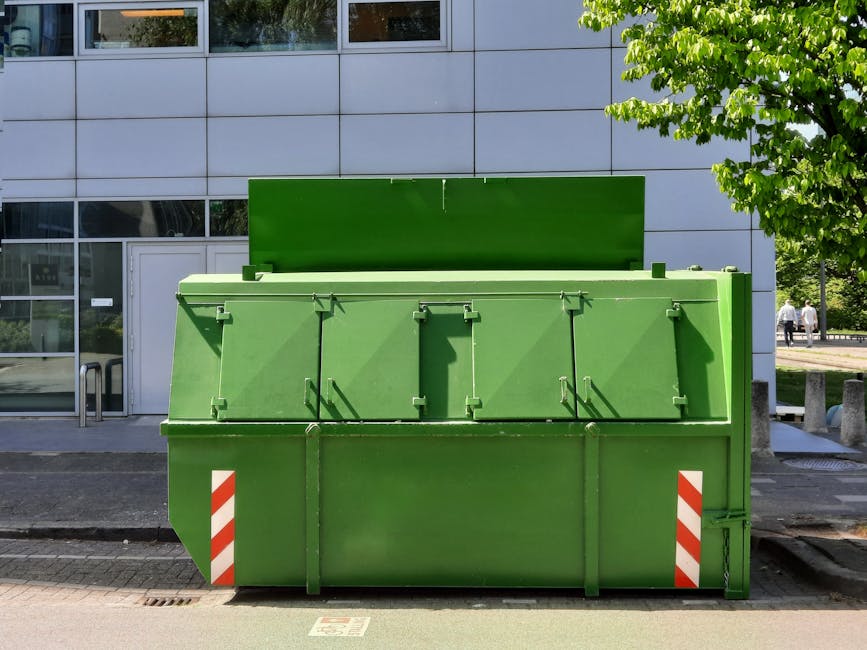
Pinner skip rules and fines: Harrow disposal guidance
If you are arranging a skip in Pinner, the small details matter more than people expect. Where the skip sits, how long it stays, whether it needs a permit, and what you put inside can all affect the final bill. Miss one step and you can end up with avoidable fines, delays, or a very awkward phone call from the hire company. This guide on Pinner skip rules and fines: Harrow disposal guidance breaks it down plainly, so you can plan the job properly and keep everything compliant without the headache.
Whether you are clearing a flat after a move, tackling a garden overhaul, or managing waste from a renovation, the basics are the same: know the local expectations, understand who is responsible, and avoid the common traps. Let's face it, nobody wants a skip sitting half in the road with a warning attached to it. A bit of preparation goes a long way.
Table of Contents
- Why Pinner skip rules and fines matter
- How the skip rules and fines guidance works
- Key benefits and practical advantages
- Who this is for and when it makes sense
- Step-by-step guidance
- Expert tips for better results
- Common mistakes to avoid
- Tools, resources and recommendations
- Law, compliance, standards, or best practice
- Options, methods, or comparison table
- Case study or real-world example
- Practical checklist
- Conclusion
- Frequently asked questions
Why Pinner skip rules and fines: Harrow disposal guidance Matters
Skip hire looks simple on the surface. You book a container, fill it, and have it collected. In reality, the disposal side can be much stricter than people expect, especially in a busy London area where roads are narrow, parking is tight, and public space is heavily used. If you are in Pinner, the practical issue is not just waste removal; it is making sure the skip does not create a nuisance, a safety problem, or a breach of local rules.
The reason this matters is straightforward. The wrong setup can lead to extra charges or enforcement action. A permit may be needed if the skip goes on a public road. Overfilling can stop collection. Putting banned items in the skip can trigger disposal surcharges. And if the lorry cannot access the site safely, the hire company may charge a wasted journey fee. None of this is dramatic on its own, but it adds up fast.
There is also a bigger point here. Correct waste handling protects neighbours, passing traffic, and the environment. A well-managed skip keeps a project moving smoothly, and that is worth a lot when you are already juggling builders, deliveries, or a family schedule. Truth be told, most people only think about the skip once it is blocking the driveway. Best to plan before that happens.
Expert summary: The simplest way to avoid skip-related fines in Pinner is to confirm where the skip will sit, what needs a permit, what waste is accepted, and who is responsible for the hire terms before delivery day.
How Pinner skip rules and fines: Harrow disposal guidance Works
The workflow is usually more practical than legal jargon suggests. First, you decide whether the skip will be placed on private land, such as a driveway, or on the public highway, such as the road outside your property. That decision matters because public placement is where permit requirements usually come in. Private placement is often simpler, but only if access is clear and the surface can take the weight.
Next, you choose the skip size and the type of waste. General mixed waste, heavy construction waste, green waste, and light household clear-out waste all behave differently in a skip. Brick, soil, and rubble are weighty. Furniture and cardboard are lighter. That affects capacity and collection safety. If the skip is overloaded, the driver may refuse to remove it until the excess is sorted. Annoying? Absolutely. Common? Also yes.
Then there is the loading side. Most issues happen here because people assume a skip is a bottomless box. It is not. Waste must generally stay level with the top edge unless the supplier explicitly allows otherwise, and even then there are limits. Poor loading can make transport unsafe and may lead to extra charges. If sharp or hazardous items are mixed in, the hire company may need to separate them out, which can cost more and slow the job down.
In Harrow disposal guidance terms, the process is usually about managing responsibility. The hirer needs to follow the agreed waste list, the placement rules, and the collection timing. The supplier handles transport and disposal, but they rely on accurate information from you. That part is easy to underestimate. A quick mistake at booking stage can be more expensive than the skip itself.
Key Benefits and Practical Advantages
Doing skip hire properly has a few obvious benefits, and a couple of less obvious ones too. The obvious one is avoiding fines, permit issues, and unnecessary fees. The less obvious one is reducing stress. A tidy site, a compliant placement, and a skip that gets collected on time make the whole project feel under control.
- Lower risk of penalties: You reduce the chance of permit breaches, nuisance complaints, or enforcement issues.
- Fewer surprise costs: Correct loading and accurate waste classification help avoid extra disposal charges.
- Better site safety: A properly placed skip is less likely to obstruct pedestrians, vehicles, or tradespeople.
- Smoother project timing: Clear rules mean fewer collection delays and fewer wasted visits.
- Cleaner property management: A skip that is filled sensibly is easier to use and less likely to spill debris around the site.
There is another advantage that people do not always mention: you can plan disposal more confidently. Once you know the basic rules, you can estimate whether one skip is enough, whether you need a bigger size, or whether a separate waste stream would be more sensible. That avoids the classic half-way-through panic where the builders are waiting and the waste pile is growing by the minute.
Who This Is For and When It Makes Sense
This guidance is useful for homeowners, landlords, small builders, tradespeople, and anyone organising a clear-out in or around Pinner. If you are dealing with old kitchen units, garden cuttings, a loft clear-out, or renovation debris, the local skip rules are not something to leave until the last minute.
It also matters if you live on a road with limited parking or tight access. In places like Pinner, a skip can easily become a point of friction if neighbours need space, deliveries are coming and going, or the road layout makes manoeuvring awkward. That is exactly when people end up dealing with objections, complaints, or awkward enforcement notices. Not ideal, and usually avoidable.
Commercial users should pay attention as well. If you are a builder or contractor, the skip is part of your site management. A permit problem, a missed collection, or a badly loaded container can hold up the whole job. For landlords and letting agents, the issue is often timing: a property needs clearing between tenants, but the waste must be removed quickly and legally. If you are in that position, it is worth treating the skip as a managed part of the plan, not just a bin on steroids.
Step-by-Step Guidance
Here is a simple way to handle a skip hire in Pinner without tripping over the usual problems.
- Check the location first. Decide whether the skip will sit on private land or on the road. If it is on the highway, expect a permit requirement or a similar approval process through the relevant authority or the hire provider.
- Estimate the waste properly. Think about the type of waste, not just the volume. Heavy materials need different handling from light household waste.
- Confirm what is allowed. Ask which items are accepted and which need separate disposal. Do this before delivery, not after the skip is full.
- Book the right size. Too small and you risk overflow. Too large and you may pay more than needed. A good supplier will help you choose, but the more accurately you describe the job, the better.
- Prepare the site. Make sure the surface is clear, accessible, and suitable for the lorry and the skip weight. A muddy patch that looks fine in the morning can be a nuisance by afternoon, especially after rain.
- Load carefully. Put heavier items at the bottom, spread weight evenly, and keep everything within the safe fill line. Break bulky items where possible.
- Keep an eye on timing. Make sure the collection date is realistic. If the skip needs to stay longer, arrange that in advance rather than hoping for the best.
- Settle any special items separately. Fridges, tyres, asbestos, paints, batteries, and similar materials usually need special handling. Do not guess.
- Inspect before collection. A quick final check can save a lot. Remove anything that should not be there and make sure the load is safe for transport.
If you only remember one thing from this section, make it this: the best skip hire jobs are boring. Boring is good. Boring means the skip arrives, gets used, and disappears without drama.
Expert Tips for Better Results
In practice, a few simple habits make a big difference.
Always describe the waste honestly. If your load is mostly rubble and soil, say so. If it is mixed household rubbish with some timber and metal, say that too. Suppliers can usually advise better when they know what they are dealing with.
Do not wait until the skip is nearly full. People often delay sorting items until the last minute. Then the weather turns, or the site gets busy, or the skip is already too full to rearrange safely. Sort as you go. It is dull, yes, but it saves grief later.
Think about access on collection day. A skip that was easy to drop off may not be easy to pick up if a car has parked in front of it, or if builders have stacked materials around it. Keep the area clear.
Separate money-saving from money-losing shortcuts. For example, flattening boxes or breaking down furniture is smart. Hiding banned waste under other material is not. That tends to end badly, and the bill usually finds you anyway.
Ask about mixed waste rules before you book. Some loads are straightforward; others are messy. Knowing the line between acceptable and special waste saves time and avoids awkward surprises. A half-finished renovation is the sort of job where this really matters.
Build in a little slack. If the work will finish on Friday, book collection with some breathing room. Life in London rarely sticks to the neat schedule we imagine at the start. A delivery gets delayed, the plaster is still damp, the rain shows up, and suddenly the skip needs another day. Happens all the time.
Common Mistakes to Avoid
Most skip problems come from a few repeat mistakes. Once you know them, they are easier to dodge.
- Assuming private-looking space is automatically private land: Not every front area or verge is suitable. If the skip sits on a public road or shared access, the rules can be different.
- Overfilling the skip: This is one of the quickest ways to trigger refusal at collection time or extra handling charges.
- Putting restricted waste inside: Hazardous or specialist items often require separate arrangements.
- Ignoring permit timing: If permission is needed, leaving it until the last moment can delay the whole project.
- Choosing the wrong size: A skip that is too small can cost more in the end if you need a second one.
- Blocking the access route: The lorry needs room. So do neighbours, pedestrians, and the occasional council vehicle.
- Not reading the hire terms: The terms can cover weight limits, hire duration, prohibited items, and placement responsibilities. Worth a proper look, honestly.
A small but important point: most "fines" in everyday skip situations are not dramatic courtroom-style penalties. They are often avoidable charges, permit issues, refusal fees, or enforcement-related costs. People still call them fines, naturally, but the practical fix is the same. Follow the rules and keep the booking details tight.
Tools, Resources and Recommendations
You do not need specialist equipment to manage a skip well, but a few basic tools help.
- Measuring tape: Useful for checking access width and whether the skip size will fit the space.
- Simple waste list: Write down what is going in before you book. It helps avoid missed items.
- Phone camera: Handy for photographing the site before delivery, especially if access is tight.
- Gloves and sturdy footwear: Practical for sorting and loading, particularly on a rough building site.
- Basic timing plan: Even a rough schedule helps you avoid a skip sitting around longer than needed.
If you are comparing disposal options, it is also worth looking at whether a skip is the best fit at all. For small amounts of waste, a smaller container or another collection method might be simpler. For larger renovation or clearance jobs, a skip is often the most practical option because it keeps the site tidy and prevents repeated trips to a disposal point. That convenience matters more than people think once the bags start piling up.
You may also find it helpful to compare related home-clearance services through the site, such as commercial and domestic support options and other property maintenance solutions if the waste removal is part of a wider project. Use those links only if they suit the job at hand; no need to overcomplicate things.
Law, Compliance, Standards, or Best Practice
Skip disposal is not just a practical matter; it also has a compliance side. In the UK, waste must be managed responsibly, and the person organising the disposal should understand that they may still be responsible for what goes into the skip. That means checking what the hire agreement covers, knowing whether a permit or similar approval is needed for public placement, and making sure the contents are lawful and safe for transport.
Best practice usually includes the following:
- use a licensed waste carrier or reputable skip provider;
- keep waste types accurate and honest;
- separate hazardous or restricted materials;
- avoid overfilling the skip;
- do not obstruct roads, footpaths, or emergency access;
- follow any permit conditions and collection time limits.
There is a common misunderstanding here: once waste leaves your property, you are somehow off the hook. Not always. In reality, it is smart to assume responsibility until the waste is collected by a legitimate operator and handled correctly. That cautious approach is just sensible, especially if you are clearing a property with mixed materials. If in doubt, ask the supplier to explain the process in plain English. They should be able to do that without making it sound like a lecture.
Options, Methods, or Comparison Table
If you are deciding how to deal with waste in Pinner, it helps to compare the common approaches side by side. The best option depends on volume, access, and how much sorting you can realistically do.
| Option | Best for | Pros | Watch out for |
|---|---|---|---|
| Skip on private land | Homes with driveways or clear access | Simpler, usually fewer permit issues, convenient loading | Needs space, surface protection, and good access |
| Skip on public road | Properties with limited driveway space | Practical where on-site space is tight | Permit or approval requirements, extra placement conditions, neighbour concerns |
| Smaller waste container | Light clear-outs or minor jobs | Easier to position, often less intimidating | May not suit bulky or heavy waste |
| Multiple smaller collections | Projects that create waste in stages | Can match the pace of work | Less efficient if the waste builds up quickly |
| Mixed waste sorting before hire | Careful renovators and organised clearances | Can reduce disposal problems and improve loading efficiency | Takes time and planning up front |
The comparison is not about finding the one perfect answer. It is about choosing the least troublesome route for your actual job. For a narrow Pinner street, a permit-based road placement may be the only realistic option. For a house with a decent drive, private placement is usually the easier win. Simple enough, once you look at the space honestly.
Case Study or Real-World Example
Imagine a family clearing a semi-detached house in Pinner after a kitchen replacement and a garden tidy-up. The original plan is to place the skip on the driveway. Fine in principle, but there is a catch: the driveway is short, the new kitchen delivery is due the same week, and the waste includes old cabinets, plasterboard, a broken fridge, and a pile of soil from the garden beds.
At first glance, it looks like one medium skip will do the lot. Then the details appear. The fridge needs separate handling. The soil is heavy. The plasterboard may need to be kept apart from general rubble depending on the provider's rules. And the delivery lorry needs enough access to place the skip without clipping the gatepost. You can almost hear the crunch if it goes wrong.
By slowing down and checking the load type first, the household ends up choosing a better setup: one skip for the general waste and a separate arrangement for restricted items. They also move the car, clear the access route, and book collection with a little extra time built in. The result? No refusal at pickup, no nasty surprises, and a site that stays workable while the job continues.
That is the real lesson. Most skip problems are not caused by bad luck. They come from a mismatch between the plan and the actual waste. Once you align those two things, the rest becomes much easier.
Practical Checklist
Use this quick checklist before your skip arrives.
- Have I checked whether the skip will sit on private land or public road space?
- Do I know whether a permit or approval is needed?
- Have I listed the exact waste types going in?
- Do I know which items are restricted or need special disposal?
- Is the access route clear for delivery and collection?
- Have I chosen a skip size that matches the real load?
- Do I understand the fill limit and loading rules?
- Have I arranged the collection date realistically?
- Have I spoken to the supplier about any awkward materials?
- Is the site safe and reasonably tidy around the skip area?
If you can tick most of those off, you are in good shape. If not, pause and sort the gaps now. It is always cheaper to ask a question before delivery than to repair a mistake after the fact.
Conclusion
Handling skip rules in Pinner does not need to be complicated, but it does need to be deliberate. The local reality is simple: space is tight, access can be awkward, and a small mistake can turn into a bigger cost than expected. Follow the placement rules, be honest about the waste, keep the skip within safe limits, and stay on top of timings. That is the core of reliable, low-stress disposal.
Whether you are managing a home clear-out, a refurbishment, or a one-off heavy waste job, a little care up front will save time, money, and frustration later. And if you have ever stood in the rain looking at a half-full skip and wondering why the collection has become difficult, well, you are not alone. It happens. The good news is that it is usually fixable with a better plan.
Get a free quote today and see how much you can save.
Choose the simple route now, and the whole job feels lighter by tomorrow.
Frequently Asked Questions
Do I need a permit for a skip in Pinner?
If the skip is placed on a public road or other highway space, a permit or similar approval is often needed. If it sits entirely on private land, such as a driveway, the rules are usually simpler. Always confirm the exact placement before booking.
What happens if my skip is overfilled?
An overfilled skip may be refused at collection, or you may be charged extra to make it safe. Waste should generally stay within the agreed fill line unless the supplier says otherwise. Overfilling is one of the most common avoidable issues.
What items should not go in a standard skip?
Restricted items often include asbestos, certain chemicals, paints, batteries, tyres, gas cylinders, and some electrical appliances. The exact list depends on the supplier and the waste type. Ask first rather than guessing.
Can I put garden waste and building waste in the same skip?
Sometimes yes, sometimes no. Mixed waste is common, but some suppliers prefer certain materials to be separated, especially heavy rubble, soil, or green waste. Clarify this before the skip arrives so you do not create sorting problems later.
Who is responsible for fines or extra charges?
That depends on the hire agreement and what caused the issue. In many cases, the person who booked the skip is responsible for ensuring it is placed correctly and loaded within the rules. Read the hire terms carefully.
How do I choose the right skip size?
Start by thinking about the waste type and volume, not just the number of bags. Heavy waste takes up less space than you expect, while bulky household items can fill a skip quickly. When in doubt, describe the job in detail to the provider.
What if I need the skip for longer than planned?
Contact the supplier as early as possible. Extending the hire after the fact is often possible, but it is usually easier and cheaper to arrange additional time in advance. Leaving it too late can cause collection issues.
Can I place a skip outside my house overnight?
If the skip is on private land and properly positioned, that is usually less complicated. If it is on the road, overnight placement may depend on permit conditions and local restrictions. Check the booking terms before delivery.
Are there penalties for blocking the pavement or road?
Yes, there can be. A skip should not create an obstruction or safety hazard. Even if it fits physically, it still needs to allow safe movement for pedestrians, cars, and service vehicles. A tight fit is not the same as a compliant fit.
Is it cheaper to hire one big skip or two smaller ones?
That depends on the waste type, access, and collection needs. One larger skip can be more efficient, but if the site cannot take it or the waste is created in stages, smaller collections may work better. Compare the overall logistics, not just the headline price.
What should I do before the skip arrives?
Clear the access route, check the space where it will sit, move cars if needed, and make sure everyone on site knows what waste is going in. A few minutes of preparation can prevent a lot of hassle later.
What is the safest way to load a skip?
Put heavier items at the bottom, distribute weight evenly, and keep sharp or awkward items controlled so they do not stick out. Do not climb into an unstable load, and do not pile waste above the safe level. Slow and steady usually wins here.