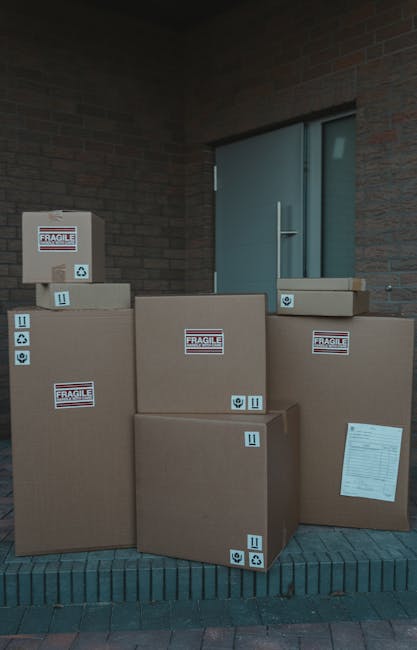
Office removals in Pinner: minimal downtime solutions
Moving an office is rarely just about boxes and bubble wrap. It is about keeping calls answered, laptops connected, teams calm, and the business ticking over while desks, files, and equipment shift from one place to another. That is why Office removals in Pinner: minimal downtime solutions matter so much. A well-planned move can feel almost boring on the day itself - and honestly, that is the goal.
Whether you are moving a small studio, a growing team, or a full workspace with archive files and specialist kit, the right approach saves time, reduces stress, and helps your staff get back to work fast. Below, we will break down how it works, what to expect, what to avoid, and how to plan a move that keeps disruption to a minimum.
Contents
- Why minimal downtime matters
- How the process works
- Key benefits and practical advantages
- Who this is for and when it makes sense
- Step-by-step guidance
- Expert tips for better results
- Common mistakes to avoid
- Tools, resources and recommendations
- Law, compliance, standards, or best practice
- Options, methods, or comparison table
- Case study or real-world example
- Practical checklist
- Conclusion
- Frequently asked questions
Why Office removals in Pinner: minimal downtime solutions Matters
Downtime costs more than people often expect. Not just in money, but in momentum. A few hours of disruption can throw off client calls, delay deliveries, interrupt account work, and leave staff waiting around for IT to catch up. In a busy area like Pinner, where many businesses depend on punctual service and tidy operations, that kind of delay can be felt quickly.
Minimal downtime solutions are about protecting the working day. The aim is simple: move the business without letting the move take over the business. That means planning around trading hours, protecting essential equipment, and arranging the move so the most critical systems are online again as soon as possible.
To be fair, every office move has a bit of chaos in it. There will be a printer that is heavier than expected, a drawer full of mystery cables, and someone asking where the kettle went. But with the right setup, those little moments stay little. They do not snowball into a lost day.
For local businesses, the stakes are often practical rather than dramatic. A solicitor, accountant, design studio, clinic admin team, estate agency, or small professional office all needs different handling, but they share one thing: continuity matters. That is what makes careful office removals in Pinner such a useful service rather than just a transport job.
Expert summary: The best office move is the one your customers barely notice. That usually comes from timing, labelling, staged packing, and a clear move-day plan - not from rushing the van and hoping for the best.
How Office removals in Pinner: minimal downtime solutions Works
A low-downtime office move usually follows a staged process. It starts well before moving day, because the physical lifting is only one part of the job. The real work is in preparation.
1. Site assessment and move planning
The first step is understanding what is being moved, how much there is, and what needs priority handling. A good plan will identify:
- essential desks or departments that must be live quickly
- IT equipment and servers that need special care
- items that can be moved earlier or later
- parking, access, and loading restrictions
- possible risks such as fragile stock, archive files, or shared building rules
This is where a move becomes more than a list. A proper plan sequences the work. For example, the admin team may need access first, while storage cabinets can wait until the end of the day.
2. Packing and labelling
Careful packing makes a huge difference. Staff can pack personal items, but sensitive equipment, documents, and shared assets often need a structured approach. Labels should show not just contents, but destination room or department. A simple colour system can save a surprising amount of time when everyone is tired and staring at identical cardboard boxes.
3. Dismantling and preparation
Office furniture often needs partial dismantling so it can move safely through corridors and lifts. Desks, shelving, meeting tables, and modular furniture all benefit from having fixings bagged and labelled properly. If you have ever seen three matching screws and no clue where they came from, you already know why this matters.
4. Transport and sequencing
Minimal downtime usually depends on moving in the right order. Essential equipment goes first or is staged for immediate setup. Less urgent items follow. Some businesses use evening or weekend moves so the building can be quieter and staff are not working around moving teams.
5. Reassembly and position setup
Once everything reaches the new site, the job is not finished until the workspace is usable. Desks should go where they are meant to go. Screens, chairs, storage, and basic equipment should be ready for staff to settle in without hunting through boxes all morning.
If the move includes storage, document handling, or temporary overflow space, services like office storage and document storage can help bridge the gap between old site and new site without clutter or panic.
Key Benefits and Practical Advantages
Office removals done well are not just convenient. They can genuinely protect business performance during a stressful transition. Here are the main advantages people notice.
- Less lost working time: Staff can return to normal tasks faster, which keeps client work moving.
- Reduced stress: A clear plan means fewer last-minute decisions on the day.
- Better protection for equipment: Proper handling lowers the chance of damage to monitors, chairs, cabinets, and IT gear.
- Cleaner handover: A staged move helps you leave the old premises in a more controlled state.
- Fewer mistakes: Good labelling and sequencing reduce the odds of lost items or mismatched furniture.
- More flexibility: If work can continue from part of the office while the rest moves, business interruption drops sharply.
There is also a softer benefit that gets overlooked: morale. Staff usually feel calmer when they can see the move has been thought through. Nobody enjoys packing their keyboard into a mystery box at 4:45pm, but a steady plan makes the whole thing feel manageable. That counts for a lot.
Who This Is For and When It Makes Sense
This kind of move is for any organisation that cannot afford to lose a full working day, or even half a day, to relocation chaos. That might sound obvious, but it covers a wide range of businesses in practice.
- Small offices: Start-ups, consultants, accountants, and freelancers moving to larger or better-located premises.
- Growing teams: Businesses that have outgrown their current space and need a more efficient layout.
- Shared offices: Companies moving in or out of serviced or managed workspace.
- Professional practices: Teams with documents, filing systems, and equipment that cannot be casually packed.
- Retail back offices: Businesses with admin rooms, stock areas, and staff facilities that need careful handling.
It also makes sense when you have a deadline. Lease expiry, refurbishment, business sale, seasonality, or a new premises fit-out all create time pressure. In those cases, the move needs more than muscle. It needs sequencing, communication, and a calm hand on the tiller.
As a rule of thumb, if your office cannot simply shut down for a day and sort itself out later, you need a minimal downtime approach. Not every company says it out loud, but most would rather keep trading than spend Monday chasing missing cables. Fair enough.
Step-by-Step Guidance
Here is a practical way to approach office removals without letting the process sprawl everywhere. Keep it simple, and keep it visible.
Step 1: Make a room-by-room inventory
List desks, chairs, filing cabinets, IT equipment, meeting furniture, kitchen items, and anything delicate. Include approximate quantities and note what must move first. A quick inventory now saves a lot of guessing later.
Step 2: Decide what should be moved, stored, or discarded
Office moves are a good moment to reduce clutter. Old paperwork, broken chairs, unused monitors, and duplicate furniture often travel with businesses far too long. If you are not sure about overflow items, short-term options such as short-term storage or removals and storage can be useful while you decide.
Step 3: Build a move schedule
Choose a move time that fits your trading pattern. Some offices prefer Friday evening through Saturday, so staff can return on Monday. Others stagger departments over two days. The best option depends on how much of the office needs to stay operational while the rest moves.
Step 4: Assign responsibilities
Someone needs to own the process internally. That person does not need to carry boxes, but they do need to know who is packing what, when labels are being applied, and which team has priority access at the new site.
Step 5: Prepare IT and communications early
IT is often the bit that trips people up. Computers, routers, printers, phones, docking stations, and backup drives should be labelled clearly. If you use servers or specialist hardware, involve your IT support early and make sure shutdown and restart procedures are understood before moving day.
Step 6: Pack for fast re-entry
Think about what staff need in the first hour after arrival. That usually means power leads, monitors, chair adjustments, stationery basics, toiletries, and access to key documents. Pack those items in a priority box or clearly marked set of boxes.
Step 7: Rebuild the workspace in order
At the new office, put essentials in place before unpacking everything else. People work better when they can sit, plug in, and get going. A half-finished office with all the right equipment nearby is still better than a perfectly sorted storage room.
One small but useful habit: take photos of cable setups, desk layouts, and shared storage before dismantling anything. It is not glamorous, but it saves time. And yes, it means fewer moments where someone stands there holding a monitor lead and pretending they know where it goes.
Expert Tips for Better Results
These are the details that often separate a smooth office move from a merely acceptable one. They are not flashy. They just work.
- Move in phases where possible: Start with non-essential rooms or departments so core work can continue longer.
- Use a clear colour code: Match boxes, rooms, and departments with coloured labels. It is basic, but very effective.
- Protect the IT chain: Keep cables, chargers, and accessories with the right device. A monitor with no power lead is just a sad rectangle.
- Keep a first-day essentials kit: Include stationery, first aid basics, cleaning wipes, chargers, and kettle supplies if needed.
- Brief staff properly: A five-minute team briefing can prevent a surprising amount of confusion.
- Check building access early: Lifts, loading bays, parking permits, and security rules can all affect timing.
- Plan for disposal: If you are not taking old furniture or archive material, arrange removal or recycling before the move starts.
In our experience, the biggest time-saving trick is not speed, it is certainty. If everyone knows what is happening next, the whole move feels lighter. Less noise, fewer interruptions, more steady progress.
Common Mistakes to Avoid
Office moves often go wrong for ordinary reasons, not dramatic ones. A forgotten cable here, a vague label there, and suddenly the morning is gone.
- Leaving planning too late: Packing without a sequence leads to confusion and delays.
- Underestimating IT setup: Even a small network can take longer than expected to reconnect.
- Packing mixed-use boxes: If everything ends up in one box, unpacking becomes detective work.
- Ignoring access restrictions: A van cannot save time if it cannot park close enough.
- Forgetting the new layout: Furniture may arrive on time but still cause delays if the destination plan is unclear.
- Not keeping essentials separate: If day-one items are buried, work starts slowly.
A common one, and easy to miss, is failing to tell staff what not to pack. Shared kit, confidential files, and office-wide supplies should usually stay under controlled handling. Otherwise somebody packs the meeting room adaptor and everyone pays for it later. It happens more often than you would think.
Tools, Resources and Recommendations
You do not need fancy software to run an effective office move, but a few simple tools help a lot.
- Inventory spreadsheet: Useful for tracking items, departments, and destination rooms.
- Room labels and colour tags: Helps everyone place items quickly at the new site.
- Photo checklist: Great for cable management, furniture layouts, and IT setup.
- Priority box list: Keeps daily-use items separate from non-essentials.
- Shared calendar: Makes packing deadlines and move-day access visible to the whole team.
For businesses that want extra flexibility, combining removals with business storage can help during phased moves, refurbishment, or office downsizing. If you need item protection between sites, secure storage may also be helpful.
It can also be worth using packing services if your team is too busy to handle a full pack-down properly. That is not a weakness. Truth be told, it is often the sensible choice when staff need to stay focused on their actual jobs.
Law, Compliance, Standards, or Best Practice
Office relocations in the UK usually involve a handful of practical compliance and best-practice concerns rather than one single rulebook. The most important one is duty of care: people, property, and information should be handled safely and responsibly throughout the move.
That means taking sensible steps around manual handling, safe lifting, access routes, and the movement of heavy or awkward items. It also means treating electrical equipment carefully, avoiding overloads, and making sure paths are clear for staff and movers. If the building has fire exits, shared corridors, or security procedures, those should be respected throughout the process.
Confidential documents need special attention too. Businesses handling personal data should be careful about how files are packed, stored, transported, and later accessed. That is not about being dramatic; it is just normal good practice. If your office keeps paper records, consider whether document storage is the cleaner option for archives you do not need on site every day.
You should also check lease obligations, building rules, and any requirements from landlords or managing agents. Some premises need lift protection, advance notice for large moves, or booked loading times. A small oversight there can cost hours.
Best practice is simple: prepare early, document clearly, and keep communication open with everyone involved. That includes staff, building management, and anyone handling IT or security. Nothing exotic. Just solid, sensible process.
Options, Methods, or Comparison Table
Different office move methods suit different businesses. The best one depends on budget, timing, and how much disruption you can tolerate. Here is a straightforward comparison.
| Method | Best for | Downtime impact | Notes |
|---|---|---|---|
| Single-day move | Small offices with simple setups | Low to moderate | Fast, but only works well when packing is tightly controlled. |
| Phased move | Businesses that need part of the office live throughout | Low | Usually the best choice for minimal downtime, though it needs strong coordination. |
| Evening or weekend move | Teams that must avoid weekday interruption | Low | Useful when the office is busy during normal hours. |
| Move with storage | Offices between premises or reducing space | Low to moderate | Handy when furniture or files need temporary holding. |
| Full shutdown and reopen | Very small operations or non-urgent moves | Higher | Simpler operationally, but the business may lose more working time. |
In practice, a phased or weekend move is usually the strongest fit for office removals in Pinner where minimal downtime is the priority. That said, the right answer is not always the fastest one. Sometimes the best plan is the one that keeps the team sane and the systems stable.
Case Study or Real-World Example
Here is a realistic example. A small professional office in Pinner is moving from a compact high-street space to a slightly larger premises nearby. The team has a reception area, two private rooms, a shared workspace, a printer station, and a small archive.
Rather than trying to move everything in one go, the business splits the move into phases. First, non-essential archive boxes go into storage. Then the furniture from one room is moved late on Friday, with labels already matched to the new layout. IT equipment is packed separately, with photos taken before dismantling. The core team returns on Monday to desks in place, monitors reconnected, and the main workstation area ready for use.
Was it perfectly effortless? Of course not. One chair needed reassembly twice, and someone inevitably misplaced the office biscuits. But the move did not derail the week, and that is the point. Staff could work, clients were not left waiting, and the new office became functional quickly.
That kind of result usually comes from sensible choices rather than heroic effort. Good labels. Good timing. A little discipline. Nothing glamorous, but very effective.
Practical Checklist
Use this as a quick pre-move review before the day arrives.
- Inventory completed for all rooms and departments
- Items marked for move, storage, recycling, or disposal
- Move date and time agreed with staff and building management
- Parking, loading, and access permissions checked
- IT shutdown and restart plan confirmed
- Priority items packed separately for first-day use
- Furniture labelled by destination room
- Confidential files handled securely
- Old office exit responsibilities assigned
- New office layout reviewed before the van arrives
- Cleaning and final checks arranged for both sites
- Backup contact details shared with the move lead
If you can tick most of those off, you are already ahead of the game. Not perfect, but solid. And solid is what you want on office move day.
Conclusion
Office moves do not need to be disruptive by default. With a clear plan, sensible packing, careful sequencing, and the right support, Office removals in Pinner: minimal downtime solutions can keep your team productive and your customers unaffected. The trick is to treat the move as an operational project, not just a transport job.
Think ahead, keep the essentials close, and do not let small admin details snowball into lost hours. That is usually where the real savings are made. If you can move calmly, re-open quickly, and keep the day intact, that is a win worth having.
Get a free quote today and see how much you can save.
And if the move feels a bit too big at first, that is normal. Break it down, keep it steady, and the whole thing becomes much more manageable than it looked on the Monday morning.
Frequently Asked Questions
How do I reduce downtime during an office move?
Start with a phased plan, label everything clearly, and keep essential equipment separate. Moving outside trading hours or over a weekend can also help reduce disruption. The key is to make sure the new office is functional before staff arrive back.
What is the best time to schedule an office removal?
For many businesses, a Friday evening or weekend move works well because it gives time to settle in before the next working day. That said, the best time depends on your workflow, client commitments, and building access.
Can office removals be done without shutting the business completely?
Yes, often they can. A phased move allows some teams to keep working while others relocate. This is especially useful for offices with ongoing customer service, accounts, or admin responsibilities.
What should be moved first in an office relocation?
Essential IT, priority workstations, and items needed for day one should be first in the sequence. Archive material, spare furniture, and non-urgent equipment can usually wait until later.
Do I need professional packing services for office removals?
Not always, but they are useful when staff are short on time or when items need to be packed quickly and securely. Packing services can save time and reduce the risk of damage or confusion on move day.
How can I make sure our computers and monitors are safe?
Label cables carefully, photograph setups before unplugging, and keep related accessories together. If you have servers or specialist devices, involve IT support early and plan the shutdown properly.
What happens to old furniture we do not want to take?
Unwanted furniture can often be removed, recycled, or stored temporarily depending on condition and future plans. It is worth deciding this before move day so it does not slow everything down.
Is storage useful during an office move?
Yes. Storage is often useful for archive files, surplus furniture, or items waiting on a final decision. Options like office storage or business storage can make a phased move much easier to manage.
How far in advance should I plan an office move?
Earlier is better. Even a small office benefits from advance planning because access permissions, packing, IT, and layout decisions all take time. The more complex the move, the earlier you should start.
What are the most common mistakes during office removals?
The biggest mistakes are leaving planning too late, mixing essential and non-essential items, forgetting building access rules, and underestimating IT setup time. Those are the ones that usually cause avoidable delays.
Can office removals include document storage for sensitive files?
Yes, and that is often a smart option for records you do not need on site every day. Keeping archived documents separate can make the move cleaner and reduce clutter at the new premises.
How do I choose the right approach for my business?
Think about how much downtime you can tolerate, how many people need to keep working, and whether any equipment needs special handling. If the answer is "not much downtime at all," then a phased or weekend move is usually the strongest fit.