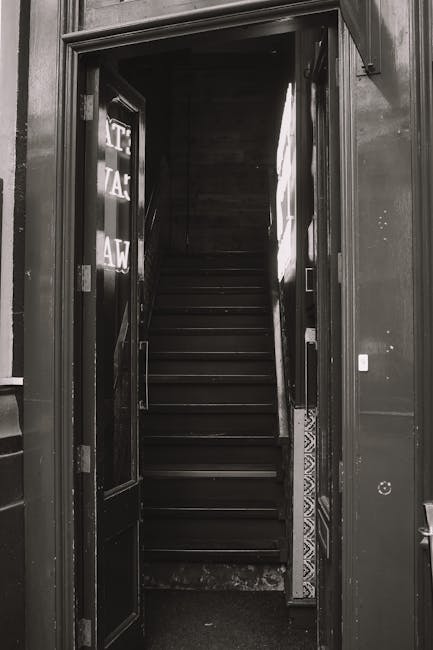
Narrow stair moves in Pinner: specialist tools we use
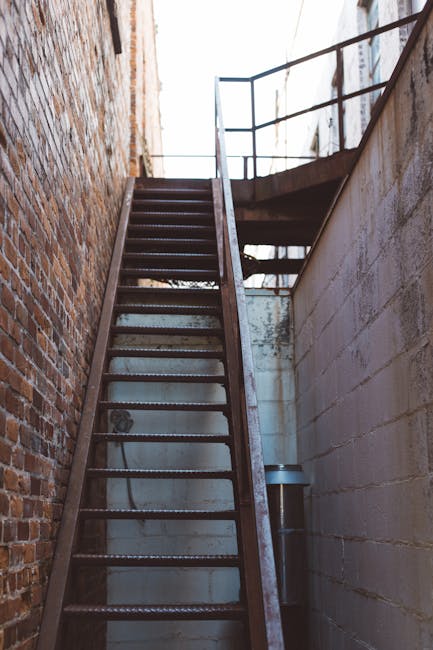
Narrow stair moves in Pinner can turn an ordinary removal into a careful bit of problem-solving. One awkward bend, a low ceiling, or a stairwell that seems to shrink the moment a sofa appears, and suddenly the whole job needs a different approach. That is exactly where the right specialist tools matter. In this guide, we explain the narrow stair moves in Pinner: specialist tools we use, why they matter, how they work in real homes and flats, and what you should expect from a team that knows how to protect both your belongings and your building.
Truth be told, most people do not think about stair geometry until moving day. Then the measurement tape comes out, the front door is propped open, and everyone is quietly hoping the wardrobe will somehow become thinner. It never does. So the answer is not brute force; it is planning, lifting technique, protective equipment, and the right kit for tight access. If you are comparing options for a local move, this article will help you understand the process clearly and make a better decision.
- Why narrow stair moves in Pinner matter
- How the specialist moving process works
- Key benefits and practical advantages
- Who this is for and when it makes sense
- Step-by-step guidance
- Expert tips for better results
- Common mistakes to avoid
- Tools, resources and recommendations
- Law, compliance, standards and best practice
- Options, methods and comparison table
- Case study or real-world example
- Practical checklist
- Frequently asked questions
Why Narrow stair moves in Pinner: specialist tools we use Matters
Narrow stairs create a different kind of moving risk. The obvious one is damage: chipped plaster, scuffed banisters, dented walls, scraped furniture corners. Less obvious is the knock-on effect. A stuck item can slow the whole move, increase stress, and make a simple loading plan unravel. In a place like Pinner, where properties range from older terraces to flats with tight internal access, that matters even more.
Specialist tools are not a luxury here. They are what make a safe, controlled move possible. A blanket-wrapped chest of drawers may physically fit, but only if it can be tilted, guided, lifted, and protected at the right moments. Without the correct equipment, people tend to push harder. That is usually when things go wrong.
There is also a time factor. Narrow stair moves often happen in busy neighbourhood settings, with neighbours coming and going, cars parked close by, and not much room to improvise. Good tools reduce the number of attempts needed, which means less disruption for everyone. And yes, that includes your nerves.
If a move is part of a bigger relocation, it can also affect storage decisions. For example, some items are easier to remove in smaller sections, then hold temporarily in small removals support or combine with removals and storage when the property layout is especially awkward. Sometimes the smartest route is not the fastest one on paper.
Table of Contents
- Why Narrow stair moves in Pinner: specialist tools we use Matters
- How Narrow stair moves in Pinner: specialist tools we use Works
- Key Benefits and Practical Advantages
- Who This Is For and When It Makes Sense
- Step-by-Step Guidance
- Expert Tips for Better Results
- Common Mistakes to Avoid
- Tools, Resources and Recommendations
- Law, Compliance, Standards, or Best Practice
- Options, Methods, or Comparison Table
- Case Study or Real-World Example
- Practical Checklist
- Conclusion
- Frequently Asked Questions
How Narrow stair moves in Pinner: specialist tools we use Works
The process starts long before anyone lifts a box. We assess the stairwell width, turning space, ceiling height, banister placement, and the size of each item. That first look tells us which tools are likely to help and which approach is safest. It also tells us whether an item should be moved whole, partially dismantled, or wrapped and carried by a two-person team using a specific angle.
In practical terms, narrow stair moving is a sequence of small decisions. The team may use furniture sliders at the door threshold, lifting straps for weight distribution, and protective wraps to cushion edges. If a stairwell has a sharp turn, a pivoting carry may work better than a straight lift. If the item is awkwardly balanced, a dolly or sack truck may help at ground level, then the item gets switched to hand carry on the stairs. Not glamorous. Very effective though.
We also look at the building itself. Older stairs can flex slightly, and some turns are tighter than they first appear. That is why the toolkit matters: not because every move uses every item, but because each tool solves a different small problem. The right mix makes the whole move feel calmer and more controlled.
Typical tools we rely on
- Furniture blankets and padded wraps for edge protection and scratch prevention.
- Shoulder straps and lifting harnesses to share weight more evenly and improve control.
- Furniture dollies and sack trucks for flat surfaces, thresholds, and short runs before stair carry.
- Corner protectors for banisters, door frames, and sharp stairwell turns.
- Stretch wrap and tie-downs to keep drawers shut and loose parts secure.
- Tool kits for dismantling where a bed frame, wardrobe, or table simply will not fit as one piece.
- Floor runners to keep hallways and landings cleaner and safer underfoot.
Key Benefits and Practical Advantages
When narrow stair moves are handled with specialist kit, the benefits go beyond avoiding damage. You get steadier progress, better communication between movers, and fewer unpleasant surprises halfway up the stairs. That sounds simple, but in removals simple is often what people are really paying for.
Better protection is the first advantage. Padding, corner guards, and careful wrapping help prevent damage to furniture and the property. That matters whether you are moving a family sofa, a desk, or a full bedroom set.
More control is the second. Lifting straps and coordinated handling allow the team to keep items stable when the staircase narrows or changes direction. Instead of wrestling with weight, they guide it. Big difference.
Lower strain is another real gain. Manual handling is tiring enough on a wide staircase; on a tight one, the risk increases quickly. Good equipment reduces unnecessary strain and helps the move stay safer for everyone involved.
Fewer delays also matter. If a large item is not going to fit, the team can usually spot that early and choose a better route, a dismantling approach, or a different sequence. That is often the difference between a smooth morning and a long, frustrating day.
For people choosing between moving-only help and a broader service, this is where broader support can be useful. A planned move with house removals or flat removals can make tricky access feel manageable because the team is already thinking about carrying routes, furniture size, and loading order.
Expert summary: narrow stair moves are won by preparation, not force. The right tools reduce damage, save time, and make awkward access feel predictable instead of chaotic.
Who This Is For and When It Makes Sense
This kind of move is for anyone dealing with tight internal access, but the most common situations are easy to recognise. If your staircase turns sharply, feels steep, has a narrow landing, or sits in a property with awkward corners, specialist moving tools make a genuine difference. You may also need them if bannisters are close to the wall or the ceiling height drops at the turn.
It makes particular sense for:
- homeowners moving large furniture down older staircases
- flat dwellers with compact internal access
- students moving furniture in and out of upper-floor rooms
- small businesses relocating equipment through tight corridors
- people combining a move with temporary holding in secure storage
Sometimes the issue is not the size of the home at all. It is the shape of the staircase. We have all seen the kind that looks fine until a sofa arrives and then everyone does that half-step, half-pause thing. You know the one. That is where planning becomes worth its weight in tea and patience.
If you are not sure whether your access is "tight" or "really tight", the answer is usually simple: if you have to ask the question, it is worth measuring properly. Better to discover a problem before moving day than while standing on a landing with a wardrobe and nowhere to go.
Step-by-Step Guidance
Here is the basic flow we use for narrow stair moves. It is practical, repeatable, and much calmer than trying to improvise at the last minute.
- Measure the access route. Stair width, landing depth, turn angles, ceiling height, and doorway clearances all matter.
- Identify the biggest items first. Large wardrobes, sofas, mattresses, and appliances usually determine the whole plan.
- Choose the right handling method. Some items move whole; others should be dismantled.
- Protect the property. Use covers, runners, and corner guards before anything starts moving.
- Wrap and secure the item. Loose shelves, handles, and cables should be tied off or removed.
- Assign roles. One person leads, one steadies, one watches clearance if needed.
- Move slowly through tight points. The difficult bit is usually the turn, not the straight run.
- Load with balance in mind. Keep heavier items stable in the vehicle and avoid stacking badly.
A useful rule of thumb: if an item needs too much pressure to fit, it is probably the wrong shape for the staircase as a whole. That does not mean defeat. It usually means dismantling, rotating, or changing the route. Small adjustment, big payoff.
If packing is part of the move, careful preparation helps even more. A well-packed item with secure corners and clear labelling moves more cleanly than a half-wrapped one. For many households, packing services are the difference between chaos and a move that feels under control from the start.
Expert Tips for Better Results
Here are the details that often make a narrow stair move feel much easier. None of them are flashy. They just work.
- Measure the item and the staircase together. A sofa can be "small" and still fail at the turn because of the arm shape.
- Remove extras early. Shelves, table legs, doors, and mattress toppers can all save precious space.
- Use the right wrap for the job. Soft padding protects finish; stretch wrap keeps loose parts from moving.
- Do a dry run in your head. Visualise the awkward corner before lifting anything. It sounds obvious, but it saves a lot of last-minute shuffling.
- Keep handholds clear. Tape or tuck away anything that might snag fingers or clothing.
- Plan the order of movement. Take the easiest items first if it opens up working space, or the hardest items first if stamina will be an issue later.
One small but useful habit is to pause before the tightest point and reset grip. That half-second can prevent a wobble. On a narrow landing, wobble is the enemy. Not dramatic, just true.
Another tip: if the move involves stairs but also a long walk from parking, combine staircase planning with load-in planning. It helps to have a clear route from vehicle to door, especially where Pinner roads are busy at peak times and parking space can be limited.
Common Mistakes to Avoid
The biggest mistake is trying to force a piece of furniture through a staircase that is simply not giving you enough room. It is understandable; people want the job done. But pressure, twisting, and rushed lifting are exactly what cause wall damage and back strain.
Another common issue is underestimating the turning space on the landing. People measure the stair width and stop there. Then they find the real problem is the pivot at the top. Or the bottom. Or both. Staircases can be a bit sneaky like that.
Here are the patterns we see again and again:
- not measuring the tallest, widest, and deepest item properly
- forgetting about light fittings, handrails, and radiators near the route
- moving items without enough padding on corners
- failing to dismantle furniture that was clearly designed to come apart
- using too few people for a heavy or awkward item
- loading the van without thinking about the next stop or unload order
There is also a quieter mistake: assuming all removals teams work the same way. They do not. Good specialist movers use consistent handling methods, visible communication, and the right kit for the staircase. That is the difference between a job that feels rushed and one that feels considered.
Tools, Resources and Recommendations
The most useful tools are not always the biggest. In fact, the smaller items can be the ones that prevent the most damage.
| Tool or method | Best used for | Why it helps |
|---|---|---|
| Furniture blankets | Large wooden items, sofas, shelving | Protects finish and softens contact with walls |
| Lifting straps | Heavy items and awkward weight distribution | Improves control and reduces strain |
| Corner guards | Banisters, frames, stair edges | Prevents scrapes on tight turns |
| Dolly or sack truck | Short level sections, thresholds, initial movement | Moves weight efficiently before stair carry |
| Tool kit for dismantling | Wardrobes, beds, modular furniture | Helps items fit stair geometry better |
| Floor runners | Hallways and landings | Improves grip and keeps surfaces cleaner |
For people deciding how much support they need, it can help to think about the wider moving picture. If you are relocating a full household, a service such as removals may suit better than piecing things together yourself. If you only need a smaller, more flexible team, man and van support can be the practical middle ground.
And if the move has a business side to it, especially files, equipment, or stock, then business storage or office removals may be worth considering alongside the stair plan. Sometimes the smartest solution is a combination, not a single service.
Law, Compliance, Standards, or Best Practice
For moving work in the UK, the key concern is safe manual handling and sensible risk management. You do not need to be a legal expert to understand the basics: items should be lifted in a way that reduces unnecessary strain, routes should be assessed, and property should be protected. That is standard good practice, not fancy add-on behaviour.
Where relevant, responsible movers also think about insurance, access safety, and clear terms. If a staircase is especially restrictive, the team should be honest about what can be done safely and what may require dismantling or an alternative approach. That honesty matters a lot more than bravado.
It is also sensible to work with providers who are open about their policies. Pages such as insurance and safety, health and safety policy, and terms and conditions help set expectations before the day arrives. No one wants a surprise when there is a sofa on a staircase.
For a local move in and around Pinner, the practical standard is straightforward: assess the access, protect the property, communicate clearly, and do not force items where they do not belong. That is the best practice in plain English.
Options, Methods, or Comparison Table
Different stair situations call for different approaches. Here is a simple comparison that shows how the method changes depending on the item and the access.
| Method | Best for | Pros | Limitations |
|---|---|---|---|
| Carry whole item | Compact, balanced furniture | Fast, efficient, fewer joints to secure | Not suitable for bulky or awkward shapes |
| Dismantle first | Wardrobes, beds, large tables | Easier around tight turns, lower risk of damage | Needs tools and careful reassembly later |
| Use lifting straps | Heavy pieces needing stable control | Improves balance and reduces strain | Still requires good coordination |
| Dolly to stair base | Short flat sections before the stairs | Saves effort on level ground | Cannot be used on the steps themselves |
| Alternative route or staging | Very tight or awkward layouts | Can avoid damage and frustration | May take longer to organise |
If you are choosing between doing it yourself and hiring help, the decision usually comes down to confidence, item size, and how much risk you are willing to take on. A narrow staircase is not the place for trial and error, to be fair.
Case Study or Real-World Example
Imagine a first-floor flat in Pinner with a narrow staircase, a sharp 90-degree turn, and a landing that barely gives you room to breathe. The item to move is a large two-door wardrobe. On paper, it looks possible. In reality, the height and width of the carcass make the turn difficult.
In a case like this, the move might start with removal of doors, shelves, and any loose fittings. The wardrobe would be wrapped, measured again, and carried with straps by two movers while a third person checks wall clearance at the turn. If the landing is still too tight, the team may choose to fully dismantle the frame rather than risk scuffing the wall or twisting the item.
That may sound slower. Sometimes it is. But the result is usually better: less damage, less stress, and no awkward mid-stair pause where everyone has to silently negotiate physics. You may even hear someone laugh once the item is safely through. Happens more than you would think.
If the rest of the move needs temporary holding because of access timing or completion delays, pairing the move with short term storage or household storage can make the whole project feel far more manageable.
Practical Checklist
Use this before moving day. It keeps the day simpler, honestly.
- Measure stair width, landing size, and the tallest turn point.
- Check whether bannisters, lights, or radiators reduce clearance.
- Measure large furniture items at their widest and deepest points.
- Decide which items should be dismantled in advance.
- Set aside blankets, wrap, tape, and tools.
- Protect floors, corners, and door frames.
- Clear hallways and remove trip hazards.
- Plan the order of loading and unloading.
- Confirm parking and access arrangements.
- Keep keys, instructions, and contact details ready.
Quick reassurance: even a difficult staircase can usually be managed with the right plan. The trick is to respect the space, not fight it.
Get a free quote today and see how much you can save.
Conclusion
Narrow stair moves in Pinner are not about being brave or pushing through at all costs. They are about reading the space properly, using specialist tools, and choosing the safest route for each item. When that is done well, the move feels calm, controlled, and far less stressful than people expect.
Whether you are moving a single awkward wardrobe, a full flat, or a family home with tricky access, the combination of planning and the right kit can make all the difference. And that is really the point: a good move should feel organised, not heroic.
Take your time, measure properly, and lean on practical expertise where it counts. A tight staircase does not have to become a moving-day drama.
Sometimes the smoothest move is simply the one that was thought through early.
Frequently Asked Questions
What makes a narrow stair move different from a standard removal?
A narrow stair move needs more control, more preparation, and usually more protection for both the property and the furniture. The staircase geometry can change how items are carried, tilted, or dismantled.
Which specialist tools do movers use for tight staircases?
Common tools include furniture blankets, lifting straps, corner protectors, floor runners, dollies, sack trucks, and dismantling tools. The exact kit depends on the item and the staircase.
Can large furniture always be moved up or down narrow stairs?
No, not always. Some items simply will not fit safely as one piece. In those cases, dismantling or using a different route is often the better option.
Do I need to dismantle furniture before the movers arrive?
It helps if you can, but it is not always necessary. A good moving team can often advise whether a bed frame, wardrobe, or table should come apart first.
How do you protect walls and banisters during a tight move?
Movers normally use blankets, corner guards, floor coverings, and careful positioning. The aim is to create a buffer between the item and the property at the most vulnerable points.
Is a narrow stair move more expensive?
It can be, depending on the amount of time, labour, and dismantling involved. But the cost is usually tied to the complexity of the access rather than the postcode alone.
How long does a narrow stair move take?
There is no fixed time. Small items may only take a short while, while bulky furniture or awkward turns can add time. Measurements and access checks make timing easier to estimate.
What if my staircase turns sharply on a landing?
That is common and manageable, but it often means the item has to be angled carefully or dismantled. The landing is usually the most important pinch point in the whole move.
Can I use storage if my items will not fit through the stairs yet?
Yes. Temporary storage can be a practical solution if you need time before final placement or if access is too awkward on the day. Services such as mobile self storage or self storage may help, depending on your situation.
What should I tell the movers before the move day?
Share the staircase width, any sharp turns, the largest furniture dimensions, parking restrictions, and whether any items need dismantling. The more accurate the information, the better the plan.
Are narrow stair moves safe for heavy appliances?
They can be, but only with the right handling and enough people. If the appliance is too large, too heavy, or awkwardly shaped, a different route or specialist approach may be needed.
How can I make my move easier before the team arrives?
Clear the route, measure carefully, remove loose items from furniture, and keep protective materials to hand. A little preparation goes a long way, especially in tighter homes.