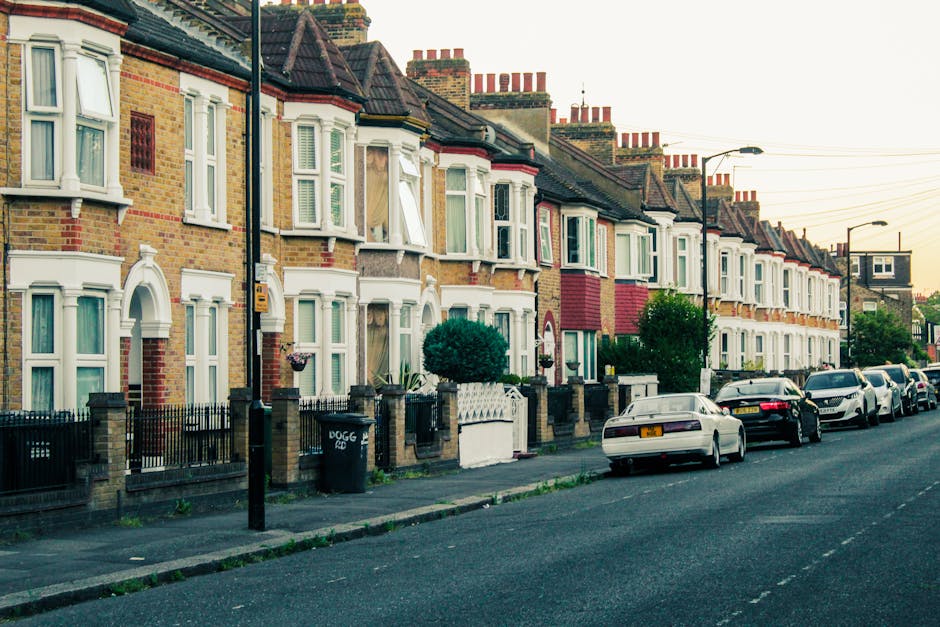
HA5 removals: what Pinner homes need to know
Moving home in Pinner is rarely just about boxes and a van. There are narrow roads, parking quirks, stairs in older properties, and the very real challenge of trying to keep the kettle, keys, and everyone's patience in one piece. If you are searching for HA5 removals: what Pinner homes need to know, you probably want more than a generic moving checklist. You want a clear, practical guide that helps you avoid stress and makes the day feel manageable.
This article walks through how removals in HA5 usually work, what matters most for Pinner homes, where the common problems tend to appear, and how to prepare properly. We will also look at timing, packing, access, compliance, and the small decisions that can make the difference between a smooth move and a long, tiring one. Truth be told, the details matter more than people think.
Expert summary: In Pinner, the best removals are the ones planned around access, parking, timing, and packing discipline. If you get those four things right, most of the stress drops away fast.
For a broader look at moving support, you may also find the main removals service and house removals pages useful when comparing options.
Table of Contents
- Why HA5 removals: what Pinner homes need to know Matters
- How HA5 removals: what Pinner homes need to know Works
- Key Benefits and Practical Advantages
- Who This Is For and When It Makes Sense
- Step-by-Step Guidance
- Expert Tips for Better Results
- Common Mistakes to Avoid
- Tools, Resources and Recommendations
- Law, Compliance, Standards, or Best Practice
- Options, Methods, or Comparison Table
- Case Study or Real-World Example
- Practical Checklist
- Conclusion
- Frequently Asked Questions
Why HA5 removals: what Pinner homes need to know Matters
HA5 removals matter because Pinner is not a one-size-fits-all moving area. Homes vary widely: Victorian terraces, suburban semis, maisonettes, flats above shops, newer family houses, and smaller properties where access can be awkward even on a quiet street. That means the same removals plan can work brilliantly in one home and fail badly in another.
The real issue is that a move is not only about transport. It is about access, timing, packing, loading order, protection of furniture, and how well the move fits the property. If a team turns up without enough information, you can end up with slow loading, avoidable lifting, or a van that is awkward to park. And in Pinner, where some roads are tighter than they look on paper, that can become a headache very quickly.
There is also the emotional side, which people often underestimate. Moving day is noisy. Doors are open, bins are out, boxes are everywhere, and someone always seems to need a screwdriver at the exact wrong moment. A good removals plan reduces that friction. That is the point. Not glamour. Just fewer problems.
For homes that need extra flexibility, combining moving with storage can help a lot. It is worth looking at removals and storage if your completion dates do not line up neatly, or if you need a temporary buffer between properties.
How HA5 removals: what Pinner homes need to know Works
In simple terms, a removal service for a Pinner home usually follows a few practical stages: planning, survey or quote, packing preparation, collection, transport, and delivery. The exact format depends on the property size and how much help you want, but the principle is always the same: the more the team knows in advance, the smoother the day tends to be.
1. Initial planning
This is where the important details come out. How many rooms? Any large furniture? Are there stairs? Is there driveway access or only roadside parking? Is the new home nearby or across town? These questions sound basic, but they shape everything from the vehicle size to the time needed on site.
2. Quote and scope
A serious removals plan should be based on realistic information, not guesswork. If you only describe "a three-bedroom house" without mentioning the loft, garden shed, or heavy bookcase collection, the quote may not reflect the actual job. That is frustrating for everyone. Better to be exact early than surprised later.
3. Packing and preparation
Some households pack themselves. Others use professional help such as packing services to save time and reduce breakages. Either way, the quality of packing matters. Badly packed boxes slow the move down, and they can fail under load. Nobody enjoys discovering a box of plates has become a box of very sharp regrets.
4. Loading and protection
On moving day, the team will usually protect floors, handle bulky items carefully, and load the vehicle in a sequence that makes unloading efficient. Good removals are about logic as much as muscle. Fragile items go where they are easiest to reach. Heavy items are secured properly. Doors, banisters, and corners are protected where needed.
5. Transport and delivery
Once loaded, the items are moved to the new address and unloaded in the right rooms. This is where labels become your best friend. "Kitchen" on a box may sound almost too obvious to mention, but in practice it saves time and avoids that awkward hour where the teabags are somewhere near the bedding.
If your move is within the local area, local removals and man and van services can be a practical fit for smaller or shorter-distance jobs. For a single-item or lower-volume move, small removals may be enough.
Key Benefits and Practical Advantages
The obvious benefit of professional removals is that you do less heavy lifting. But the real advantages go a bit further than that.
- Less physical strain: Stairs, awkward furniture, and narrow hallways are much easier to deal with when you have the right help.
- Better time control: A well-run move usually finishes faster than an improvised one. That matters when keys, deadlines, and building access all line up at once.
- Lower breakage risk: Proper packing and loading reduce damage to furniture, glass, electronics, and sentimental items.
- More predictable moving day: You know what is happening, when it is happening, and who is responsible for each part.
- Less disruption to family life: If children, pets, or elderly relatives are involved, a clear removal plan can make the day feel less chaotic.
In practical terms, the biggest win is usually headspace. You can concentrate on the mortgage, the meter readings, the keys, and the little things that always pop up, instead of trying to carry a wardrobe down a stairwell without a plan. Let's face it, that is not a task most people want to learn on the fly.
For households storing items between moves, short-term storage or secure storage can reduce pressure and help keep rooms clear while you settle in.
Who This Is For and When It Makes Sense
HA5 removals make sense for a wide range of Pinner residents, but some situations benefit more than others.
Homeowners moving locally
If you are moving from one Pinner address to another nearby, a local removals approach can save time and simplify logistics. Shorter travel means fewer moving parts, although access still matters. A five-minute drive can still become a long day if the loading bay is awkward.
Families moving to a larger home
Families usually have more furniture, more boxes, and more to remember. In these moves, planning room-by-room helps. It is often worth getting packing support or at least a structured packing system, because family moves have a way of multiplying small items when nobody is looking.
Flat movers and maisonette residents
Flats can be deceptively tricky. Stairs, lifts, shared entrances, and limited parking can all affect the move. If you are in a smaller property, a flat removals approach may be more suitable than a standard house move. That is especially true where loading time is constrained.
People downsizing
Downsizing often means deciding what stays, what goes, and what needs temporary storage. It is rarely just a transport problem; it is a sorting exercise as well. This is where household storage can be a helpful bridge while you work out what fits in the new place.
Office or hybrid work moves
Some households are moving not just furniture, but work equipment, files, and business items too. If that sounds familiar, office-related storage and removals support may be relevant, especially if you need to keep work life going during the transition.
Step-by-Step Guidance
If you want the move to feel manageable, work through it in stages. Small jobs become big problems when left until the final evening, and you know how that goes.
- Confirm your moving date early. Completion dates shift, access windows change, and parking permissions may need time to sort out.
- Walk through each room. Make a rough list of bulky items, fragile possessions, and anything awkward to carry.
- Decide what is moving, storing, donating, or disposing of. Do this before packing starts. Not after.
- Book the right level of help. A full house move, a flat move, or a smaller local job each needs a slightly different setup.
- Gather packing materials. Boxes, tape, labels, wrapping paper, and covers for mattresses or furniture all help.
- Prepare access details. Note parking restrictions, staircases, door widths, and any shared entrance rules.
- Label boxes clearly. Add room names and, if useful, priority notes such as "open first" or "fragile."
- Pack essentials separately. Keep documents, chargers, toiletries, medicines, a kettle, and a few basics with you.
- Protect valuable or delicate items. Mirrors, TVs, glass shelves, and artwork need special care.
- Check the new home before unloading. Make sure key rooms are ready and that access is safe and clear.
A small but useful trick: pack one "first night" box for each person if possible. It saves a lot of rummaging later. You do not want to be hunting for toothbrushes in the dark while standing in a sea of cardboard.
Expert Tips for Better Results
A few practical habits can make a move significantly easier, especially in HA5 where local conditions matter.
Measure the awkward items before moving day
That large sofa or tall wardrobe may look harmless in the front room. Then you reach the hallway. Suddenly it has opinions. Measure the item, the doors, the stairs, and any tight turns. This is one of those boring jobs that pays off immediately.
Keep communication simple and specific
If the removal team needs to know about a narrow drive, a time limit, or a shared entrance, tell them clearly and early. Exact information beats vague "should be fine" promises every time.
Use labels that help humans, not just lists
Room labels are good. Priority labels are better. For example: "Kitchen - open first" or "Bedroom - bedding." Small detail, big payoff.
Think about storage as a pressure valve
Sometimes the cleanest move is not the fastest move. If the new place is not fully ready or you are waiting on furniture decisions, furniture storage or mobile self storage may give you breathing room.
Protect the route, not just the item
People focus on wrapping the item, which makes sense, but floors, bannisters, and doors can also take a beating. In older Pinner homes especially, a little floor and edge protection can save a lot of trouble.
Be realistic about time
Most moves take longer than people expect because of the small pauses: waiting for keys, clearing access, wrapping one more lamp, moving one more box. Build in margin. That way, a delay feels annoying rather than disastrous.
Common Mistakes to Avoid
Some moving mistakes happen again and again. To be fair, most of them are understandable. People are busy, stressed, and trying to do ten things at once. Still, they are avoidable.
- Underestimating the volume of belongings: A house always seems bigger until you have to move everything out of it.
- Leaving packing too late: The final evening before a move should not be your main packing session if you can help it.
- Ignoring access issues: Parking, steps, lift rules, and narrow entrances can create delays very quickly.
- Using weak boxes: Overfilled or damaged boxes are an invitation for breakages.
- Mixing essentials with everything else: Keep passports, chargers, medications, and key documents separate.
- Forgetting to protect fragile items: A towel wrapped around a glass frame is not quite the same as proper packing.
- Not checking storage needs early: If dates do not align, scrambling for a solution at the last minute can cost time and patience.
One of the more common errors is treating the move as a single event. It is not. It is a chain of small decisions. If one link is weak, the whole day gets harder. Simple as that.
Tools, Resources and Recommendations
You do not need fancy equipment to move well, but a few practical tools make a real difference.
- Strong double-walled boxes for books, kitchen items, and heavier household goods.
- Packing tape and dispenser to speed things up and keep seals secure.
- Labels or marker pens so each box has a clear destination.
- Bubble wrap or paper wrap for fragile items and decorative pieces.
- Furniture covers for mattresses, sofas, and upholstered items.
- Blankets and edge protection for larger items in transit.
- A basic toolkit for dismantling beds, tables, or shelving when needed.
If you are comparing support options, you may want to look at self storage, long term storage, or document storage depending on whether you are dealing with household goods, items you are not ready to part with, or paperwork that needs to stay organised and safe.
For businesses moving from home offices or small commercial spaces, business storage and office removals may be relevant too, especially if you need to keep materials available during the move.
Law, Compliance, Standards, or Best Practice
For most home removals in Pinner, the main compliance concerns are practical rather than dramatic. You are usually looking at safe handling, vehicle access, insurance awareness, and clear responsibility for belongings. That said, best practice still matters a great deal.
A reputable removals provider should be transparent about how items are handled, what protection is used, and what is covered in the service. It is sensible to ask about insurance arrangements, particularly for valuable or fragile belongings. The detail matters. Do not assume. Ask.
Health and safety also plays a part. Heavy lifting, awkward stairs, and tight corners all carry risk. Good manual handling practices are not just for large commercial sites; they are part of safe home removals too. If a property has tricky access, the plan should reflect that rather than hoping for the best.
Environmental best practice is also worth thinking about. Reusing boxes where possible, recycling packing materials appropriately, and reducing unnecessary waste all help. If sustainability matters to you, the recycling and sustainability approach can be a useful extra consideration when planning a move.
On the customer side, clarity helps avoid confusion. Terms, pricing, timing, and service scope should be discussed before moving day. It saves everyone time, which is usually what people want most anyway.
If you want to understand how a provider handles responsibility and security, the insurance and safety and health and safety policy pages are sensible places to look.
Options, Methods, or Comparison Table
Different moves need different approaches. A small flat move does not need the same setup as a full family house relocation. The right method depends on volume, access, timing, and budget.
| Move option | Best for | Main advantage | Possible drawback |
|---|---|---|---|
| Man and van | Smaller loads, short-distance moves, flexible jobs | Simple and often quick to arrange | May not suit larger household contents |
| Small removals | Studio flats, a few rooms, partial moves | Efficient for lighter volumes | Limited capacity for big family moves |
| Flat removals | Homes with stairs, lifts, or shared access | Suited to apartment logistics | Parking and access still need planning |
| House removals | Full household relocations | Most complete support for larger moves | More planning and coordination required |
| Removals and storage | Unclear dates, downsizing, staged move-ins | Flexibility when timing is messy | Needs extra planning and storage management |
A sensible rule of thumb: choose the smallest service that still comfortably fits the job. That keeps things efficient without leaving you under-resourced on the day.
Case Study or Real-World Example
Imagine a family moving from a Pinner semi to another home a few streets away. On paper, it sounds straightforward. Same area, short journey, familiar roads. Yet the original house has a narrow hallway, a heavy dining table, a loft with seasonal items, and a driveway that only fits one vehicle at a time. The new property has an upstairs bedroom and a tighter front entrance than expected.
In that situation, the move goes much better when the family prepares in layers. First, they sort the loft. Then they label the kitchen clearly. They separate essentials for the first night. They also mention the parking issue in advance, which means the team arrives ready with a realistic loading plan. No drama, or at least less drama. There is always a little drama somewhere.
Now compare that to a move where nobody checks access properly and the boxes are packed at midnight. The same short-distance move can suddenly feel chaotic, with slow loading, rushed decisions, and a lot of opening and closing cupboard doors. The difference is planning. Not magic. Planning.
That is the useful lesson for HA5 removals in Pinner homes: local moves are easier when you treat them as logistics, not just transport.
Practical Checklist
Use this checklist in the final week before moving day. Keep it visible. Seriously, put it on the fridge or in your notes app. It helps.
- Confirm moving date, access time, and any completion timing changes.
- Check parking arrangements at both addresses.
- Measure large furniture and key doorways.
- Finish sorting what is moving, storing, donating, or discarding.
- Pack non-essentials early.
- Prepare a separate essentials box.
- Label every box by room and priority.
- Protect fragile items with proper packing materials.
- Disassemble furniture if needed, and keep fixings together.
- Clear hallways, landings, and access routes.
- Arrange storage if dates do not line up.
- Keep keys, documents, and chargers with you.
- Take final meter readings if needed.
- Walk through both homes before and after loading.
Small but important reminder: one overlooked detail can slow the whole day. Usually it is something simple, like a missing key or a box that was meant to stay in the car. Funny, in a slightly annoying way.
Conclusion
HA5 removals are easiest to manage when you plan around the realities of Pinner homes: access, parking, packing, timing, and the shape of the property itself. Once you understand those basics, the whole process becomes far more predictable. You do not need to overcomplicate it. You just need to prepare properly, communicate clearly, and choose the right level of support.
Whether you are moving a flat, a family house, or a smaller local load, the best results usually come from simple habits done well: measure carefully, label properly, protect fragile items, and keep your essentials close. Small things, but they add up fast.
If you are comparing options and want a practical next step, take a look at the available pricing and quotes information and explore the moving and storage services that fit your situation best. A little early planning now can save a lot of pressure later.
Get a free quote today and see how much you can save.
Frequently Asked Questions
What does HA5 removals mean for Pinner homes?
It refers to removals services for homes in the HA5 area, which includes Pinner and nearby properties. The focus is usually on local home moves, access planning, and practical support for household transport.
Is a man and van enough for a Pinner move?
Sometimes, yes. If you are moving from a smaller property, taking only a few items, or moving a short distance, a man and van setup can be a good fit. Larger homes usually need more capacity.
How far in advance should I book removals in HA5?
The earlier the better, especially if your moving date is tied to completion or school timing. Busy periods fill up quickly, so early booking gives you more choice and less last-minute pressure.
What should I pack myself before removal day?
Most people pack personal items, documents, medications, chargers, and essentials themselves. Some also pack non-fragile household items. If time is tight, professional packing support can reduce the load.
Do I need storage if my dates do not match?
If your sale and purchase dates are not perfectly aligned, storage can be very helpful. Short-term storage often suits temporary gaps, while longer delays may need a different approach.
How do I make moving day faster?
Label boxes clearly, clear hallways, confirm access details in advance, and keep a separate essentials box. The fewer surprises on the day, the smoother the move usually is.
What is the biggest mistake people make when moving in Pinner?
Underestimating access and packing time is a common one. A move can look simple on the calendar but still involve stairs, parking issues, and far more boxes than expected.
Are flat moves harder than house moves?
Not always harder, but often different. Stairs, shared entrances, and lift restrictions can make flat removals more logistically complex than a standard house move.
Can I store furniture between moves?
Yes. If you are downsizing, waiting for decorating, or bridging a gap between homes, furniture storage can be a sensible option.
What should I ask a removals company before booking?
Ask about the scope of the move, access assumptions, insurance arrangements, timing, and whether packing or storage support is available. Clear questions lead to clearer quotes.
Is packing service worth it?
If you are short on time, moving with children, or dealing with lots of fragile items, packing support can be well worth considering. It often saves stress and reduces the risk of damage.
What if my move involves both household and office items?
That is quite common with home workers and small businesses. You may need a mix of removals and storage support, plus a plan for documents and equipment. Office removals and office storage can be relevant in that case.
Moving is rarely anyone's favourite job, but with the right preparation it becomes much more manageable. A calm, well-planned move has a way of making the new place feel like home sooner. And that, really, is the bit that matters most.